
False positive drug tests can derail careers and expose employers to potential legal liability, making proper dispute procedures essential in 2026's evolving workplace testing landscape. This comprehensive guide addresses SAMHSA's updated guidelines, DOT oral fluid testing protocols, and state-specific marijuana complications while providing actionable steps for both employees challenging inaccurate results and HR professionals managing compliant Medical Review Officer (MRO) engagement processes that protect organizational reputation and reduce wrongful termination risk.
Key Takeaways
- False positive drug tests occur when legitimate medications, foods, or testing errors trigger inaccurate results, requiring immediate MRO review under federal workplace drug testing regulations.
- Employees typically have 72 hours in federal workplace drug testing programs to contact the Medical Review Officer after notification, though specific timeframes may vary by testing program and should be confirmed during initial notification.
- Proper MRO verification procedures reduce employer liability by providing documented review of prescription medications, medical conditions, and alternative explanations before adverse employment actions occur.
- SAMHSA's updated guidelines now authorize oral fluid testing options for federal contractors while maintaining strict chain of custody requirements that create additional dispute grounds when protocols are violated.
- State marijuana legalization laws create complex compliance scenarios where positive THC results may require individualized assessment rather than automatic disqualification in certain jurisdictions.
- Employers who bypass proper MRO review processes or take adverse action during active disputes may face increased wrongful termination lawsuit risk and potential EEOC discrimination claims in many jurisdictions.
- Split specimen testing provides scientifically defensible confirmation when employees dispute initial positive results, serving as the gold standard for resolving contested workplace drug tests.
- Documentation of the entire dispute process protects both employee rights and employer interests, creating defensible records that withstand legal scrutiny and regulatory audits.
Understanding False Positive Drug Tests in 2026 Employment Screening
A false positive drug test occurs when screening procedures incorrectly indicate the presence of prohibited substances despite the individual not consuming illegal drugs. These inaccurate results stem from various sources including cross-reactive medications, laboratory errors, improper specimen handling, or testing methodology limitations. The 2026 employment screening landscape presents unique challenges as employers navigate SAMHSA's updated Mandatory Guidelines for Federal Workplace Drug Testing Programs.
This article provides general educational information about drug testing dispute procedures and should not be construed as legal advice for specific situations. Drug testing regulations vary by jurisdiction, employer type, and position classification. SAMHSA now authorizes oral fluid testing as an alternative to traditional urine specimens for certain positions, introducing new potential failure points in collection procedures while simultaneously creating additional dispute grounds for employees.
Common Causes of False Positive Results
Cross-reactivity with legitimate medications represents the most frequent cause of false positive drug tests in workplace settings. Immunoassay screening tests detect drug metabolites through antibody reactions that sometimes cannot distinguish between prohibited substances and structurally similar legal compounds. Understanding these common triggers helps both employees and employers anticipate potential disputes.
| Medication Category | Common Examples | May Cross-React With |
| Antidepressants | Bupropion, Trazodone, Sertraline | Amphetamines, MDMA |
| Antibiotics | Levofloxacin, Ciprofloxacin | Opiates |
| Cold Medications | Pseudoephedrine, Phenylephrine | Amphetamines, Methamphetamine |
| Pain Relievers | Ibuprofen (high doses) | Marijuana (rare cases reported) |
Cross-reactivity patterns vary based on specific immunoassay technologies and testing methodologies. Employees should discuss any medications or supplements with the Medical Review Officer, who can evaluate whether specific substances could affect their test results. Some case reports have documented instances where certain medications may have contributed to unexpected immunoassay results, though such occurrences are not common or universally accepted in scientific literature.
Over-the-counter products create additional complications. Excessive poppy seed consumption may elevate morphine metabolites to reportable levels despite recent cutoff adjustments designed to minimize this occurrence. Certain herbal supplements and energy drinks containing novel stimulants can trigger unexpected positive results.
Laboratory errors represent another significant cause, though less common in accredited facilities. Specimen mislabeling, contamination during processing, equipment calibration issues, or data entry mistakes can produce results attributed to the wrong individual. These procedural failures underscore the importance of proper chain of custody documentation and quality control protocols.
The Critical Role of Medical Review Officers
Medical Review Officers serve as the cornerstone of accurate workplace drug testing by providing physician-level review of positive laboratory results before employers receive notification. These licensed physicians possess specialized training in substance abuse disorders and testing methodologies. Their verification process creates a critical safeguard that protects both employee rights and employer interests.
Under federal workplace drug testing regulations, MROs must attempt to contact employees who test positive within specified timeframes. They provide opportunity to discuss potential explanations, review documentation of prescription medications, and determine whether scientific or medical explanations justify the laboratory findings. This physician-led review prevents hasty adverse employment decisions based on incomplete information.
Employers who bypass proper MRO procedures or take action based solely on preliminary laboratory reports may expose themselves to substantial liability. Wrongful termination claims, discrimination lawsuits, and regulatory penalties can result from inadequate MRO engagement. The MRO's documented determination provides the legal foundation that supports defensible employment decisions when disputes arise.
The Complete Drug Test Dispute Process for Employees
Employees who believe they received a false positive drug test result must act quickly and methodically to protect their employment rights. The dispute process follows specific timelines and procedural requirements that vary based on testing program type. Federal Department of Transportation regulations impose different requirements than other federal workplace programs or state-specific testing frameworks.
Immediate Steps After Receiving Positive Result Notification
Upon receiving notification of a positive drug test result, employees should respond immediately as time constraints typically allow limited response windows. This narrow timeframe makes immediate action essential, as failure to respond may result in automatic verification of the positive result. However, specific deadlines vary by program, so employees should clarify requirements during initial notification.
First, request complete information about the positive result. Ask which substance triggered the finding, the specific cutoff levels, and whether the result came from initial immunoassay screening or confirmatory testing. This technical information helps determine whether cross-reactive medications could explain the result.
Second, gather documentation immediately:
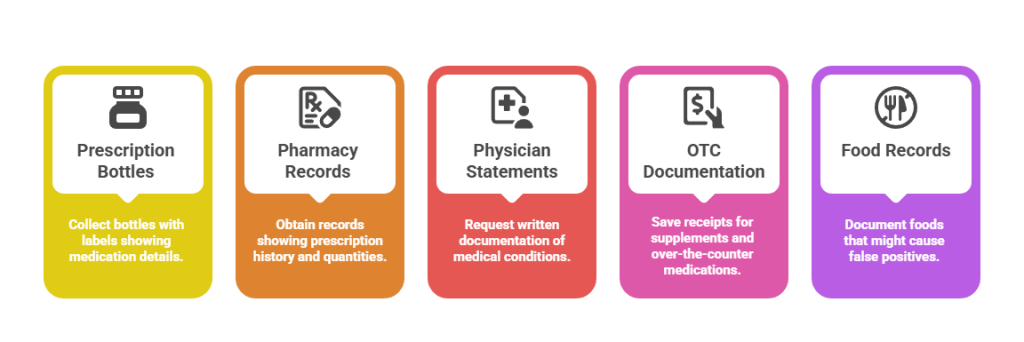
- Prescription bottles: Collect all bottles with pharmacy labels showing medication names, dosages, prescribing physicians, and fill dates.
- Pharmacy records: Obtain detailed records showing prescription history, refill dates, and dispensed quantities.
- Physician statements: Request written documentation of diagnosed medical conditions and prescribed treatments.
- Over-the-counter documentation: Save receipts for supplements, cold medications, pain relievers, or any products consumed before testing.
- Food consumption records: Document any foods that might trigger false positives, particularly poppy seed products.
Third, avoid making potentially damaging statements. Do not admit to drug use or make comments that could be construed as admissions without fully understanding the situation. In cases where termination or criminal consequences may result, employees may wish to consider consulting legal counsel before extensive discussions with the MRO or employer.
Working With the Medical Review Officer During Initial Review
The MRO interview represents the employee's primary opportunity to provide context and documentation explaining the positive result. Approach this conversation professionally and provide complete, honest information about all medications, supplements, and relevant medical conditions. The MRO will verify prescriptions directly with prescribing physicians or pharmacies, so ensure contact information is current and accurate.
Present prescription documentation for any medications that could potentially cross-react with the tested drug panel. Discuss timing carefully, as MROs evaluate whether prescription medications were taken at therapeutic levels consistent with prescribed dosages. The detected metabolite levels must align with legitimate medical use rather than recreational consumption patterns.
Be prepared to discuss recent medical procedures or treatments that might affect test results. Certain dental procedures using topical anesthetics, legitimate pain management following surgery, or other medical interventions may provide valid explanations. The MRO can document these circumstances in their final determination, potentially changing the outcome from a verified positive to a cancelled or negative result.
Requesting Split Specimen Testing
When initial review with the MRO does not resolve the dispute, employees can request analysis of the split specimen. This represents the gold standard for confirming or refuting initial positive findings. Federal workplace drug testing regulations require collection of split specimens specifically to provide this scientific recourse for disputed results.
The split specimen request must be made during the MRO interview or within the specified timeframe outlined in the testing program's policies. The MRO will then direct the original laboratory to ship the sealed split specimen to a different SAMHSA-certified laboratory for independent analysis. Split specimen testing examines only the specific drug or metabolite that produced the initial positive result.
If the second laboratory cannot confirm the presence of the substance at or above designated cutoff levels, the MRO must cancel the original positive result. This cancellation means the original test cannot be verified as positive, and employers cannot take adverse action based on the unconfirmed test result. Employees should understand that split specimen analysis typically takes several weeks and may involve fees that vary by testing program structure.
Documenting Your Dispute
Comprehensive documentation protects employee rights throughout the dispute process and creates records that support potential legal action if employers take inappropriate adverse actions. Maintain detailed written records of all communications with the MRO, employer representatives, and testing facilities. Documentation demonstrates good faith efforts to resolve the situation while preserving evidence of procedural compliance or violations.
Create a detailed chronological timeline including these critical dates:
- Test collection date: When the specimen was provided.
- Notification date: When you first learned about the positive result.
- MRO contact date: When you spoke with the Medical Review Officer.
- Documentation submission dates: When you provided prescription records and other supporting evidence.
- Split specimen request date: When you requested second laboratory analysis.
- Follow-up communication dates: All subsequent contacts with testing program representatives.
Retain copies of all written correspondence including emails, letters, and formal dispute submissions. Keep original prescription bottles, physician statements, and pharmacy records in a secure location separate from copies provided to the MRO. This redundancy ensures you maintain proof even if documents are lost during the review process.
Employer Responsibilities in Drug Test Dispute Management

Employers implementing workplace drug testing programs bear significant legal responsibilities to ensure accurate results, proper procedures, and compliant dispute resolution processes. Failure to meet these obligations may create liability exposure while damaging organizational reputation. Improper handling of drug test disputes can destroy employee trust and create lasting recruitment challenges as negative experiences spread through professional networks.
Maintaining Proper MRO Engagement Protocols
Employers must engage qualified Medical Review Officers who meet federal certification requirements. These requirements include physician licensure, training in substance abuse disorders, and specific education in drug testing interpretation. The MRO serves as an independent reviewer rather than an employer representative and must have authority to conduct verification procedures without interference.
Establish clear communication protocols that preserve MRO independence while ensuring timely information flow:
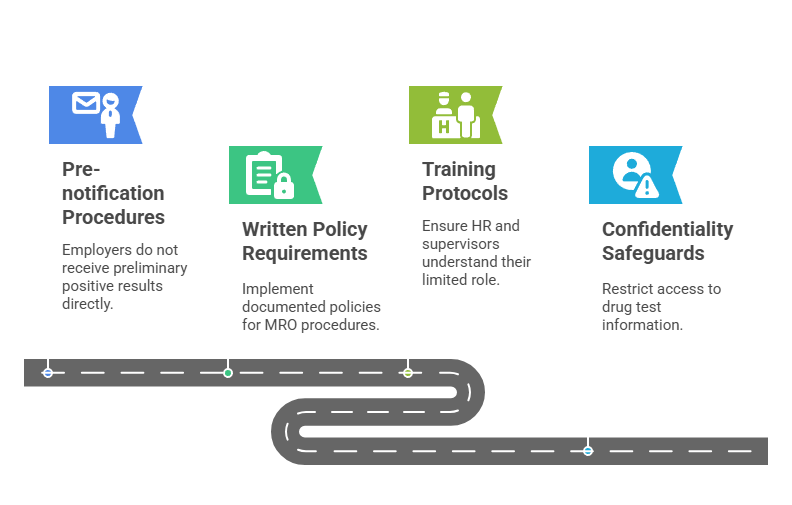
- Pre-notification procedures: Employers should never receive preliminary positive results directly from laboratories before MRO verification.
- Written policy requirements: Implement documented policies specifying MRO procedures, employee notification requirements, and dispute timelines.
- Training protocols: Ensure human resources personnel and supervisors understand their limited role during the MRO verification period.
- Confidentiality safeguards: Restrict access to drug test information to individuals with legitimate need to know.
These policies must align with applicable federal regulations for covered positions and should incorporate best practices from SAMHSA guidelines even for testing programs not subject to federal oversight. Train HR personnel and supervisors on restrictions during active disputes, as improper pressure on employees violates their rights to discuss results with the MRO.
Legal Obligations During Active Disputes
Once an employee initiates a dispute, employers should generally suspend any adverse employment actions pending resolution. Taking action during this period may create wrongful termination exposure in many jurisdictions, particularly if split specimen results ultimately do not confirm the initial positive. Federal Department of Transportation regulations generally require employers to wait for MRO verification and split specimen analysis results before taking final adverse action in most circumstances, though specific requirements may vary based on the situation and applicable DOT agency rules.
Private sector employers not subject to DOT regulations have more flexibility but may face legal risk when proceeding prematurely, depending on applicable state laws and employment agreements. Best practices support similar protections to minimize liability and ensure decisions rest on definitively established facts. Maintain strict confidentiality throughout the dispute process, as drug test results constitute sensitive medical information protected under various privacy laws.
Documentation of all procedural steps becomes essential for defending employment decisions. If the dispute ultimately resolves against the employee and termination proceeds, comprehensive records demonstrating proper MRO engagement provide critical defense against legal challenges. These records should include dates of notification, MRO communications, waiting periods observed, and policy compliance verification.
Navigating State Marijuana Law Complications
State-level marijuana legalization creates complex compliance scenarios where positive THC results require careful analysis rather than automatic adverse action. As of 2026, numerous states have various levels of protections or restrictions regarding employment decisions based on marijuana use. Employers must understand their specific state's requirements and limitations before taking action on positive THC results.
| State Approach | Employer Obligations | Key Exceptions |
| Broad employee protections | May limit adverse action for positive THC without impairment evidence | Safety-sensitive positions may be exempt |
| Medical marijuana only | May require consideration of registered patients unless federal conflict | Federal contractors maintain testing rights |
| No employment protections | Can maintain zero-tolerance policies despite legalization | None typically specified |
| Pending legislation | Review emerging requirements frequently | Varies by proposed legislation |
This table provides general categories only. Specific state laws change frequently and contain nuanced provisions that require individual analysis. Employers and employees should consult current state statutes and qualified employment counsel. Federal contractors and Department of Transportation regulated employers maintain testing obligations regardless of state marijuana laws. Clear communication about these federal requirements during the hiring process helps manage candidate expectations and reduces dispute frequency.
Technical Aspects of Drug Test Accuracy and Dispute Grounds
Understanding the scientific and procedural elements of workplace drug testing helps both employees and employers identify legitimate dispute grounds. Technical knowledge distinguishes valid challenges from unfounded claims that waste resources and delay resolution. Comprehension of testing methodologies enables informed decisions about whether to pursue split specimen analysis or other dispute procedures.
Immunoassay vs. Confirmatory Testing Methodologies
Initial drug screening typically employs immunoassay technology that detects drug metabolites through antibody reactions. These tests provide rapid, cost-effective screening but sacrifice specificity for speed and efficiency. Immunoassays identify broad classes of substances rather than specific compounds, creating the cross-reactivity issues that generate most false positive results.
Confirmatory testing uses gas chromatography-mass spectrometry or liquid chromatography-tandem mass spectrometry. These sophisticated analytical methods provide definitive identification and quantification of specific drug metabolites. They distinguish between structurally similar compounds that immunoassays cannot differentiate, eliminating most false positive results originating from cross-reactive medications.
SAMHSA-regulated federal workplace drug testing programs require confirmatory testing for all initial positive immunoassay results before reporting to the MRO. This two-stage approach substantially reduces false positive rates, though it does not eliminate laboratory errors or specimen handling issues. Private sector employers not subject to federal regulations sometimes use immunoassay screening without confirmatory testing to reduce costs, potentially increasing false positive rates and creating legal considerations.
Chain of Custody Violations as Dispute Grounds
Chain of custody documentation tracks specimens from collection through laboratory analysis, creating accountability at each handling stage. These records identify who collected the specimen, when and where collection occurred, how the specimen was sealed and labeled, who transported it, and which laboratory personnel conducted analysis. Chain of custody breaches may represent legitimate grounds for disputing drug test results.
Common chain of custody issues include:
- Incomplete collector information: Missing signatures, certifications, or identification numbers on collection forms.
- Timing discrepancies: Inconsistencies between collection documentation and transportation records that suggest handling gaps.
- Seal integrity problems: Broken or improperly sealed specimen containers indicating potential tampering.
- Label mismatches: Inconsistent identification information on custody forms versus specimen labels.
- Missing documentation: Gaps in custody records where no handler is documented during specimen transit.
The authorization of oral fluid testing for federal contractors introduces new chain of custody considerations as collection procedures differ from traditional urine testing. Employers and employees should understand specific requirements for oral fluid specimen handling, including tamper-evident packaging protocols and storage requirements. Chain of custody challenges require comparing documentation against regulatory requirements for the testing program type, and employees may benefit from assistance from legal counsel or testing experts to identify potential technical violations that could affect result reliability.
Cutoff Levels and Their Role in Dispute Resolution
Drug testing programs establish cutoff concentrations that determine whether detected metabolite levels constitute positive results. These thresholds serve multiple purposes including reducing false positives from passive exposure or trace environmental contamination. SAMHSA establishes specific cutoff levels for federal workplace testing programs that balance detection capability with practical concerns about diet and medications.
Employees can dispute whether detected levels exceed applicable cutoffs or whether laboratories applied correct thresholds for the testing program type. Documentation of actual numerical results versus cutoff levels provides transparency that supports informed dispute decisions. Some employers implement more stringent cutoff levels than federal standards, creating situations where results would not be positive under SAMHSA guidelines but trigger adverse action under company policy.
Emerging Drug Testing Technologies and Dispute Implications
The workplace drug testing landscape continues evolving as new specimen types, rapid testing methods, and alternative monitoring approaches gain regulatory acceptance. These emerging technologies introduce both opportunities for improved accuracy and new potential dispute grounds. Understanding these developments helps employers implement compliant programs while enabling employees to recognize procedural violations.
Oral Fluid Testing Expansion Under Updated DOT Guidelines
The Department of Transportation's authorization of oral fluid testing as an approved alternative to urine specimens represents a significant shift in federal workplace drug testing practices. Oral fluid collection offers advantages including direct observation without privacy concerns, shorter detection windows that better correlate with impairment timeframes, and reduced specimen adulteration opportunities. However, this testing method introduces distinct technical considerations.
Detection windows differ substantially from urine testing for most substances, typically identifying recent use within 24 to 48 hours rather than several days to weeks. This creates both benefits and complications for dispute procedures. Employees may have stronger arguments that positive oral fluid results reflect recent exposure rather than off-duty consumption days earlier, but shorter windows also reduce certain medical explanations.
Collection procedures for oral fluid require strict adherence to manufacturer instructions. Proper swab placement, adequate saturation, and timing protocols must be followed precisely. Violations of these specimen-specific procedures may create dispute grounds not applicable to urine testing, as insufficient sample volume or improper collection technique can affect result validity.
Observed Collection Protocols and Privacy Considerations
Directly observed collection procedures serve as the standard approach for addressing specimen validity concerns in federal workplace testing programs. Trained same-gender observers monitor urination to prevent substitution or adulteration. Updated regulatory guidance maintains strict limitations on when observed collections are permitted, typically requiring reasonable suspicion of substitution attempts or previous adulteration findings.
Employers cannot implement blanket observed collection policies without specific regulatory justification. Employees may dispute drug test results when observed collections occurred without proper authorization, when observers were not the same gender, or when collection procedures deviated from regulatory requirements. Documentation of the basis for ordered observed collections becomes critical for employers defending their testing procedures.
Point of Collection Testing Accuracy Issues
Rapid point of collection testing devices provide immediate preliminary results without laboratory analysis. These instant test methods typically rely on immunoassay technology without the specificity of laboratory-based confirmatory testing. Federal workplace drug testing regulations prohibit using point of collection testing devices as the sole basis for verified positive results.
Confirmation by certified laboratories using appropriate analytical methods is required before MRO review and subsequent employment consequences can proceed. Private sector employers sometimes use instant tests for applicant screening, creating situations where candidates may experience adverse consequences based on preliminary results. Best practices require treating all points of collection positive results as preliminary findings requiring laboratory confirmation before final decisions.
Preventing Wrongful Termination and Legal Considerations
Employers must implement comprehensive drug testing policies and procedures that balance workplace safety objectives with legal compliance. Well-designed programs help protect organizations from potential wrongful termination lawsuits, discrimination claims, and regulatory penalties. Furthermore, thoughtful policies maintain positive candidate experiences and protect employer brand reputation even when test results necessitate adverse employment decisions.
Establishing Compliant Testing Policies
Written drug testing policies serve as the foundation for defensible programs. These documents establish clear expectations for employees while creating procedural frameworks that guide organizational decision-making. Effective policies address who is subject to testing, under what circumstances testing occurs, what substances are tested, consequences of positive results, and dispute procedures available to employees.
Policies must comply with applicable federal regulations for covered positions:
- DOT safety-sensitive positions: Follow specific Department of Transportation requirements for collection, testing, MRO review, and return-to-duty procedures.
- Federal contractor positions: Comply with Drug-Free Workplace Act requirements and agency-specific testing mandates.
- Non-regulated positions: Consider incorporating SAMHSA guideline principles to establish scientifically sound and legally defensible programs.
State and local law variations require careful policy tailoring to avoid provisions that conflict with jurisdiction-specific protections. Review and update policies regularly to reflect regulatory changes, emerging case law, and evolving workplace drug testing technologies. The current regulatory landscape includes significant updates that may render older policies non-compliant.
Training HR Personnel and Supervisors
Human resources professionals and supervisors require comprehensive training on their roles and limitations during drug testing procedures. Lack of understanding about confidentiality requirements, proper notification procedures, and restrictions during MRO review can create compliance violations. Training should emphasize that supervisors typically have no role beyond reasonable suspicion determination and should not receive detailed information about medications or medical conditions.
HR personnel must understand procedural timelines including when preliminary results should not yet drive decisions and how long employees have to dispute findings. Premature adverse actions represent a common and often preventable source of wrongful termination claims related to drug testing. Provide specific training on state marijuana law implications, including how to handle positive THC results in jurisdictions with employment protections.
Maintaining Candidate Relationships During Disputes
How employers handle drug test disputes significantly impacts organizational reputation and potential legal considerations. Professional and respectful dispute management minimizes negative outcomes even when employees ultimately face adverse consequences. Communicate clearly and promptly about testing procedures, timelines, and employee rights throughout the process.
Avoid hostile or accusatory interactions with employees who dispute results. Presumption of procedural errors or legitimate medical explanations rather than automatically assuming intentional drug use maintains professional relationships. Consider temporary alternative assignments rather than immediate termination when employees dispute results and await split specimen confirmation, demonstrating good faith that may reduce potential legal exposure.
Conclusion
False positive drug tests represent significant concerns for employees facing career consequences and employers navigating complex compliance obligations in 2026's evolving regulatory landscape. Understanding proper dispute procedures, engaging qualified Medical Review Officers, and maintaining detailed documentation helps protect all stakeholders while supporting fair employment screening that balances workplace safety with individual rights.
Frequently Asked Questions
What medications most commonly cause false positive drug tests in employment screening?
Antidepressants like bupropion and trazodone may cross-react with amphetamine panels, while quinolone antibiotics including levofloxacin can sometimes trigger opiate false positives. Cold medications containing pseudoephedrine may produce amphetamine results. Always disclose all medications to the Medical Review Officer during verification, as cross-reactivity patterns vary by testing technology.
How long do I have to dispute a positive drug test result with the MRO?
Response timeframes vary by testing program, though federal workplace programs typically provide 72 hours from initial MRO contact. Review your specific testing program documentation for exact deadlines. Failure to respond within specified windows may result in the MRO verifying results as positive without considering alternative explanations.
Can my employer fire me while I am waiting for split specimen test results?
DOT regulations generally require employers to wait for MRO verification and split specimen results before final adverse action in most circumstances, though specific requirements vary. Private employers have more flexibility but may face potential legal risk when acting during active disputes, particularly if split specimens don't confirm initial results.
What happens if the split specimen test contradicts the original positive result?
When the second laboratory cannot confirm the substance at or above cutoff levels, the MRO must cancel the original result. This cancellation means the test cannot be verified as positive, and employers cannot take adverse action based on the unconfirmed result. DOT regulations prohibit charging employees for split specimen analysis when results are negative or scientifically insufficient.
Do state marijuana legalization laws protect me from termination for a positive THC test?
State marijuana law protections vary significantly and change frequently, with some states providing certain protections for off-duty use while others offer none despite legalization. Many protections include exceptions for safety-sensitive positions, federal contractors, or employers receiving federal funding. Employees under DOT or federal testing requirements generally cannot rely on state protections. Consult current state law and qualified legal counsel for jurisdiction-specific guidance.
What documentation should I gather immediately after learning about a positive drug test?
Collect prescription bottles with pharmacy labels, pharmacy records showing fill dates, and physician statements explaining medical conditions. Save receipts for supplements and over-the-counter medications consumed before testing. Create a detailed timeline of any substance consumption that might cross-react with tested panels, and maintain copies of all MRO communications.
How do I prove a chain of custody violation occurred with my drug test specimen?
Request complete chain of custody documentation showing every individual who handled your specimen. Review for incomplete collector information, timing inconsistencies between collection and laboratory receipt, or mismatches between identifying information on forms. You may benefit from legal counsel or testing experts to identify potential technical violations affecting reliability.
Can employers use oral fluid drug tests instead of urine tests for all positions in 2026?
DOT guidelines now authorize oral fluid testing for federal programs using SAMHSA-approved devices and established protocols. Private employers can implement oral fluid testing based on state and local requirements, though they should ensure laboratory certification and proper MRO review. Detection windows and collection procedures differ from urine testing.
Additional Resources
- Mandatory Guidelines for Federal Workplace Drug Testing Programs
https://www.samhsa.gov/workplace/final-rule - Department of Transportation Drug and Alcohol Testing Regulations
https://www.transportation.gov/odapc - Medical Review Officer Certification and Training Resources
https://www.mro.org - State Marijuana Laws and Workplace Implications
https://www.ncsl.org/health/state-medical-cannabis-laws

ABOUT THE CREATOR
GCheck Editorial Team
Meet the GCheck Editorial Team, your trusted source for insightful and up-to-date information in the world of employment background checks. Committed to delivering the latest trends, best practices, and industry insights, our team is dedicated to keeping you informed.
With a passion for ensuring accuracy, compliance, and efficiency in background screening, we are your go-to experts in the field. Stay tuned for our comprehensive articles, guides, and analysis, designed to empower businesses and individuals with the knowledge they need to make informed decisions.
At GCheck, we're here to guide you through the complexities of background checks, every step of the way.