



California port employers must reconcile federal Transportation Worker Identification Credential (TWIC) security requirements with state Fair Chance Act protections, creating a dual-compliance framework without unified regulatory guidance. This article explains how maritime employers can lawfully screen workers while meeting both credential-based security standards and individualized assessment obligations.
Key Takeaways
- Federal TWIC requirements mandate background checks covering terrorism-related offenses and disqualifying criminal convictions, administered by the Transportation Security Administration (TSA).
- California's Fair Chance Act (AB 1008) requires individualized assessments before most criminal-history-based employment denials, including many positions employers may consider security-sensitive, though exceptions exist where federal or state law creates a statutory disqualification.
- Port of Los Angeles employment screening involves overlapping federal, state, and facility-specific access requirements that employers must satisfy simultaneously.
- TWIC background check requirements in California include FBI fingerprint checks, immigration status verification, and review of disqualifying offenses defined in 49 CFR § 1572.103.
- How long does TWIC background check take varies significantly, with initial processing typically requiring 4-6 weeks, though appeals or waivers may extend timelines by several months.
- California maritime employment screening must incorporate pre-adverse action procedures, Fair Chance Act compliance, and documentation of individualized assessments even when federal credentials are denied.
- Employers cannot use TWIC denial as automatic disqualification without conducting separate analysis under California law when state protections apply.
- Coordination between security credentialing timelines and operational hiring needs requires structured processes to avoid unlawful pre-screening or premature access grants.
Understanding the Dual-Compliance Framework for Port Employment
California port facilities operate under a jurisdictional structure where federal maritime security regulations and state employment protections apply concurrently. The Maritime Transportation Security Act of 2002 established security credential requirements for port workers with unescorted access to secure areas, while California's Fair Chance Act prohibits most employers from inquiring about or considering criminal history until after a conditional offer. These requirements create procedural tension that employers must navigate carefully.
Federal Security Credentialing Under TWIC
The Transportation Security Administration administers the TWIC program, which requires background checks for workers needing unescorted access to secure areas. The California port worker background check process under TWIC includes collection of biographical information, fingerprints, and immigration documentation. TSA conducts checks against terrorist watch lists, criminal history databases, and immigration records.
Disqualifying offenses under 49 CFR § 1572.103 include the following categories:
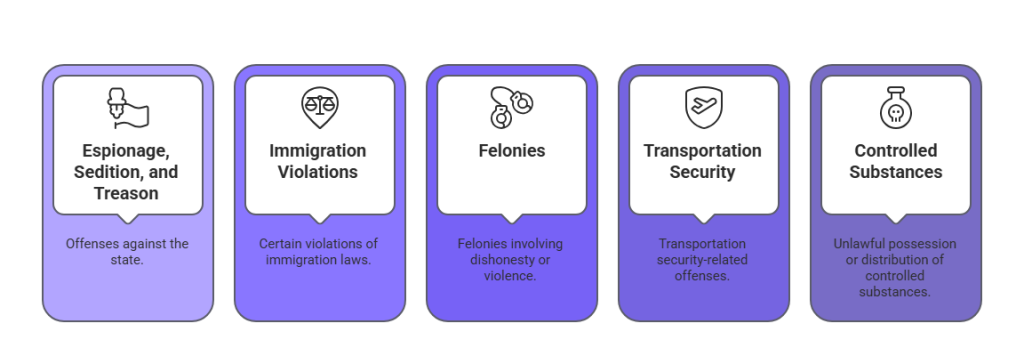
- Espionage, sedition, and treason
- Certain immigration violations
- Felonies involving dishonesty or violence
- Transportation security-related offenses
- Unlawful possession or distribution of certain controlled substances
Some disqualifications are permanent, while others operate on a time-limited basis ranging from five to seven years from conviction or release from incarceration. The regulation does not provide for individualized assessment or consideration of rehabilitation.
In my experience, hiring becomes more complex if multiple rules apply at once, especially if security and fairness need to work together. The best HR teams don’t view compliance as a single step. They take time to understand how different rules relate to each other, making sure each step is thoughtful and well-documented. When done correctly, it’s possible to keep an organization’s interests, as well as the people being hired, both safe.
California State Employment Law Requirements
California's Fair Chance Act applies to employers with five or more employees. It prohibits inquiring about criminal history before making a conditional employment offer. After a conditional offer, if an employer intends to deny employment based on criminal history, it must conduct an individualized assessment considering the nature of the offense, time elapsed, and nature of the job.
| Fair Chance Act Requirement | Employer Obligation |
| Pre-Offer Inquiry Ban | No criminal history questions before conditional offer |
| Individualized Assessment | Consider offense nature, time elapsed, job relevance |
| Written Notice | Provide preliminary decision with conviction report |
| Response Period | Allow minimum 5 business days for applicant response (longer periods may be appropriate for complex cases) |
| Final Notice | Issue written explanation if proceeding with denial |
The employer must provide written notice of the preliminary decision, a copy of the conviction history report, and an opportunity for the applicant to present mitigating evidence. Only after this process may the employer issue a final denial. The law contains limited exceptions, including positions where federal or state law creates a statutory disqualification. Whether TWIC requirements constitute such a statutory disqualification in all circumstances requires case-specific legal analysis, and employers should verify applicability with legal counsel before relying on this exception.
Port of Los Angeles Employment Screening Layers
Port of Los Angeles employment screening involves multiple verification stages beyond TWIC credentialing:
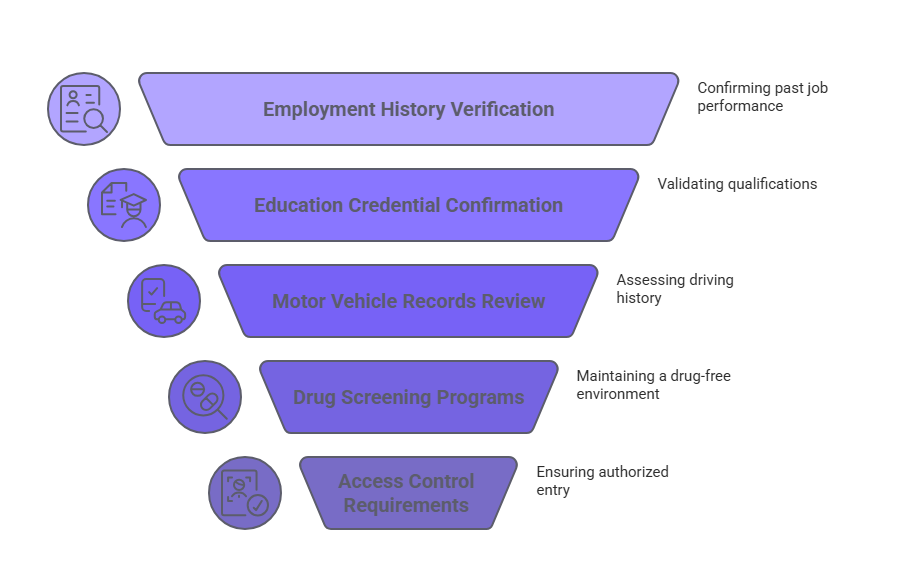
- Employment history verification
- Education credential confirmation
- Motor vehicle records for equipment operators
- Drug screening programs
- Facility-specific access control requirements
Employers must determine which screening components constitute pre-offer inquiries prohibited under the Fair Chance Act and which fall under security credentialing exceptions. This analysis depends on whether the screening is mandated by federal regulation, contractually required by the facility, or voluntarily implemented by the employer.
Structuring Compliant Screening Processes for Maritime Roles
California port employers need structured processes that satisfy both security credential requirements and state employment law without creating unlawful barriers or exposing the organization to discrimination claims. Effective approaches separate federally mandated security checks from employer-initiated background screening while documenting the legal basis for each component.
Sequencing Conditional Offers and Credential Applications
The Fair Chance Act requires that criminal history inquiries occur only after a conditional employment offer. However, TWIC applications require disclosure of criminal history as part of the federal credentialing process. Employers should issue conditional offers before initiating TWIC applications when the position falls within Fair Chance Act coverage.
The conditional offer should clearly state that final employment is contingent on obtaining required security credentials and passing any additional background screening conducted by the employer. This approach allows the applicant to proceed with the federally mandated TWIC process while preserving the employer's ability to conduct an individualized assessment if the TWIC is denied or if employer-initiated screening reveals disqualifying information.
Conducting Individualized Assessments After TWIC Denial
When TSA denies a TWIC application based on disqualifying criminal history, California employers cannot treat this denial as automatic grounds for employment termination or rescission of the conditional offer without additional analysis. The employer must determine whether California law requires an individualized assessment despite the federal credential denial.
If the position requires unescorted access to secure areas and no alternative role without TWIC requirements exists, the federal statutory disqualification may provide an exception to the Fair Chance Act's individualized assessment requirement. However, this exception applies only when the federal requirement genuinely precludes employment in that specific role, not when alternative positions or escorted-access arrangements could accommodate the applicant.
When conducting an individualized assessment, employers should document:
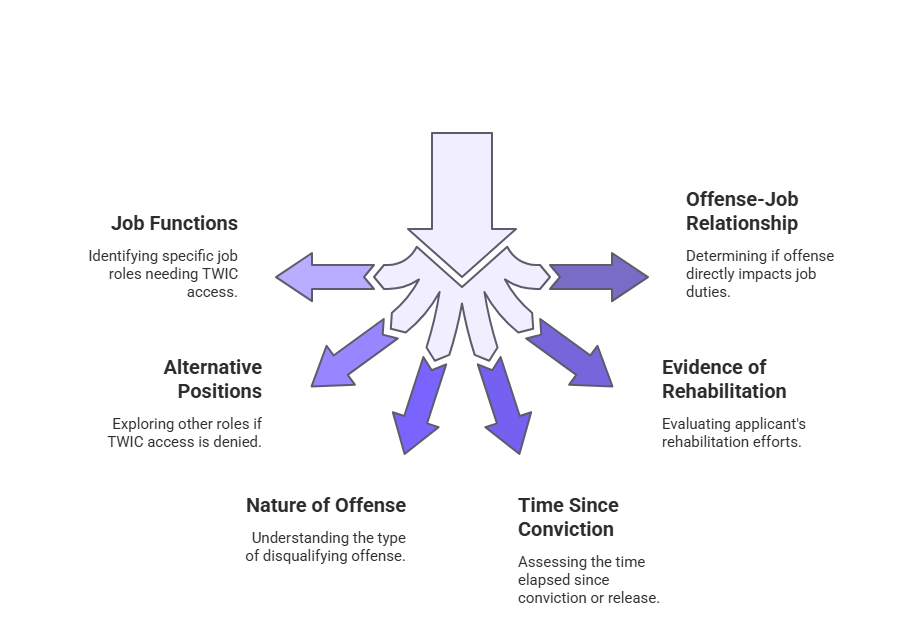
- Specific job functions requiring TWIC access
- Whether alternative positions exist within the organization
- Nature of the disqualifying offense
- Time elapsed since conviction or release
- Evidence of rehabilitation provided by the applicant
- Direct relationship between offense and job duties
This documentation demonstrates compliance with California law even when the ultimate decision is to deny employment.
Integrating Drug Screening and Other Fitness-for-Duty Requirements
California maritime employment screening often includes drug and alcohol testing under Department of Transportation regulations or employer safety programs. These screenings involve different legal frameworks than criminal history checks. They typically may be conducted after conditional offers without violating the Fair Chance Act.
Employers should structure pre-employment processes to conduct drug screening, physical examinations, and other fitness-for-duty assessments on separate timelines from criminal history review. This separation clarifies that any adverse decision based on drug screening results from safety requirements rather than criminal history, reducing confusion in adverse action procedures.
Navigating TWIC Background Check Timelines and Operational Constraints
The question of how long does TWIC background check take significantly impacts operational planning for California port employers. Processing times vary based on application volume, complexity of criminal history, and whether the applicant pursues appeals or waiver processes.
Standard Processing Timeframes
| Processing Stage | Typical Timeline | Variables Affecting Duration |
| Initial Application Review | Typically 4-6 weeks (not guaranteed) | Application completeness, documentation accuracy, processing volume |
| Disputed Records Response | Additional 2-4 weeks | Complexity of records, applicant responsiveness |
| Waiver Review | Additional 2-6 months | Rehabilitation evidence, case complexity |
| Appeal Process | Variable | Legal representation, evidentiary hearing needs |
Initial TWIC applications submitted with complete documentation and no complicating factors typically process within four to six weeks. This includes TSA's review of biographical information, fingerprint processing through FBI databases, and checks against terrorism watch lists. Applicants receive notification of approval or denial by mail.
When TSA identifies potential disqualifying information, processing extends to allow for applicant review and response. If the applicant disputes the accuracy of records or seeks a waiver, the process may extend several additional months. Employers should not promise specific start dates or guarantee employment timelines until credential approval is confirmed.
Building Buffer Time Into Hiring Workflows
Effective hiring processes for TWIC-required positions incorporate buffer periods between conditional offers and anticipated start dates. A minimum eight-week buffer accommodates standard processing and allows time for individualized assessments if issues arise. For positions requiring immediate filling, employers may need to consider temporary escorted-access arrangements or reassignment during the credentialing period.
Employers should maintain clear communication with conditional hires about the credentialing timeline. Documentation should reflect that the timeline is controlled by a federal agency and subject to factors outside the employer's control. Avoid creating implied promises of employment before credential approval.
Managing Renewals and Recurrent Screening
TWIC credentials expire after five years and require renewal through a process similar to initial applications. Employers should track expiration dates for current employees and initiate renewal processes at least 90 days before expiration to avoid access interruptions.
Recurrent screening obligations under employer policies or facility requirements must also comply with California employment laws. Unless a specific regulation mandates periodic criminal history checks, employers conducting voluntary recurrent screening of current employees must follow Fair Chance Act procedures if they intend to take adverse employment action based on newly discovered criminal history.
Addressing Common Disqualifying Factors and Waiver Processes
TWIC background check requirements in California result in denials based on specific categories of disqualifying offenses. Understanding these categories and available waiver processes helps employers advise applicants and assess whether alternative compliance pathways exist.
Permanent Disqualifying Offenses
Certain convictions result in permanent TWIC ineligibility without possibility of waiver:
- Espionage, sedition, and treason
- Transportation security-related offenses
- Unlawful possession or distribution of certain controlled substances
- Convictions in foreign jurisdictions that would constitute disqualifying offenses under U.S. law
Employers cannot overcome permanent disqualifications through individualized assessment or alternative screening methods. When a position absolutely requires TWIC access and the applicant has a permanent disqualification, no lawful pathway to employment in that role exists.
Interim Disqualifying Offenses and Waiver Eligibility
Many offenses create time-limited disqualifications based on years elapsed since conviction or release from incarceration. These include certain felonies involving violence, dishonesty, or transportation security, as well as some immigration violations. The disqualification period varies from five to seven years depending on the offense category.
Applicants with interim disqualifications may seek waivers by demonstrating rehabilitation. The waiver process involves submitting documentation of circumstances surrounding the offense, evidence of rehabilitation, employment history, and character references. TSA evaluates waiver requests on a case-by-case basis using discretionary standards, and approval rates are limited. Employers should not extend conditional offers based on expectation of waiver approval.
| Waiver Component | Documentation Required |
| Offense Circumstances | Court records, case disposition, sentencing information |
| Rehabilitation Evidence | Completion certificates for programs, counseling records |
| Employment History | Work records, supervisor references, performance evaluations |
| Character References | Letters from community members, employers, program coordinators |
| Personal Statement | Written explanation of circumstances and rehabilitation efforts |
Employers should not promise employment contingent on waiver approval, as the process is discretionary and timelines are unpredictable. However, supporting an applicant's waiver request by providing information about the employment opportunity and the applicant's qualifications may strengthen the application.
Immigration Status Complications
TWIC applications require documentation of U.S. citizenship or lawful permanent resident status with additional eligibility requirements. Some categories of work authorization do not satisfy TWIC requirements, creating eligibility barriers unrelated to criminal history.
Employers should inform applicants that TWIC-required positions have federal immigration status eligibility requirements and verify eligibility documentation as part of the post-offer credentialing process. This verification differs from Employment Eligibility Verification (Form I-9) and involves more restrictive standards.
Implementing Technology-Supported Screening Workflows
California maritime employment screening involves coordination across multiple systems, databases, and regulatory frameworks. Technology platforms that integrate credentialing tracking, Fair Chance Act compliance steps, and documentation requirements can reduce administrative burden and compliance risk.
Tracking Multi-Stage Screening Status
Applicant tracking systems configured for maritime hiring should accommodate multiple concurrent screening processes with different completion timelines:
- Conditional offer date
- TWIC application submission
- TSA status updates
- Individualized assessment triggers
- Pre-adverse action notice delivery
- Applicant response periods
- Final decision documentation
Automated reminders and workflow triggers help ensure that legally required steps occur in proper sequence and that response periods are accurately calculated. These systems should flag when TWIC denials require individualized assessment under California law or when credential expiration dates approach for current employees.
Documenting Individualized Assessment Decisions
California's Fair Chance Act requires specific documentation when employers consider criminal history in employment decisions. Compliant documentation includes identification of the specific conviction(s) considered, explanation of the job duties implicating the conviction, assessment of time elapsed and evidence of rehabilitation, and explanation of why the conviction has a direct and adverse relationship to job duties.
Technology platforms that prompt users to complete required documentation fields and store this information with the application record help ensure consistency and completeness. Templates should be legally reviewed and updated when regulations or guidance change.
Integrating Credentialing With Onboarding
Port employers benefit from systems that link credentialing status with facility access controls and onboarding workflows. Integration prevents unauthorized access when credentials are pending or expired. Systems automatically trigger appropriate access levels when credentials are approved.
These systems should distinguish between different types of access, including escorted versus unescorted access, specific facility areas, and equipment operation. They should enforce rules based on credential status, training completion, and role requirements.
Balancing Security Requirements With Fair Hiring Practices
The California port worker background check framework requires employers to satisfy legitimate security needs while respecting employment rights and avoiding unlawful discrimination. Effective approaches focus on job-relatedness, consistency, and transparency.
Defining Genuine TWIC Requirements by Position
Not all port facility positions require TWIC credentials. Employers should conduct job analyses to determine which roles genuinely require unescorted access to secure areas and which can be structured with escorted access or in non-secure areas.
This analysis should consider:
- Operational efficiency and workflow requirements
- Supervision availability and feasibility
- Facility layout and secure area boundaries
- Contractual obligations with port authorities
- Cost-benefit analysis of escorted access programs
Positions should not be classified as TWIC-required as a general screening preference when the security credential is not operationally necessary.
Developing Alternative Pathways for Qualified Workers
When applicants are TWIC-ineligible due to criminal history but possess valuable skills and experience, employers may explore alternative role structures. Some port facilities operate areas that do not fall under TWIC-required secure zones, allowing employment without the federal credential.
| Alternative Pathway | Operational Considerations | Legal Requirements |
| Non-Secure Area Roles | Limited to areas outside TWIC zones | Must genuinely not require secure access |
| Escorted Access Programs | Requires credentialed supervisor availability | Must comply with facility security plans |
| Remote Support Positions | Administrative or technical support roles | Must maintain equivalent compensation structure |
| Transitional Assignments | Temporary placement pending credential | Must not exceed reasonable credentialing timeline |
Employers might also consider positions involving escorted access, where TWIC-ineligible workers operate under supervision of credentialed employees. The feasibility of this approach depends on facility security plans, operational demands, and supervision resources.
Training Decision-Makers on Dual-Compliance Requirements
HR staff, hiring managers, and security personnel involved in California maritime employment screening need training on both federal security requirements and state employment law. Common misunderstandings include treating TWIC denial as automatic disqualification, conducting criminal history inquiries before conditional offers, and failing to provide required Fair Chance Act notices.
Training should cover the legal basis for each screening component, proper sequencing of offers and credential applications, individualized assessment requirements, documentation standards, and escalation procedures when complex situations arise.
Conclusion
California port worker background check processes require careful navigation of federal security mandates and state employment protections. Employers who structure compliant workflows, properly sequence conditional offers and credential applications, and conduct individualized assessments when required can build secure workforces while respecting applicant rights and minimizing legal risk.
Frequently Asked Questions
Here are some of the most common questions that seem to be posed in this hiring process. As it is likely that there are a number of considerations that are relevant at any given time, it is worthwhile considering how this process fits into the overall picture. The answers provided are aimed at being clear but also ensuring that teams are aligned with compliance and effective processes.
What criminal convictions disqualify someone from obtaining a TWIC in California?
TWIC disqualifications apply nationwide and include permanent bars for espionage, sedition, treason, and certain terrorism or immigration offenses. Interim disqualifications lasting five to seven years apply to many violent felonies, fraud, dishonesty offenses, and some drug-related convictions. The specific list appears in 49 CFR § 1572.103, and disqualification periods are measured from conviction date or release from incarceration, whichever is later.
Do California employers have to hire someone whose TWIC application was denied?
California employers must conduct an individualized assessment under the Fair Chance Act before denying employment based on criminal history, even when TSA denies a TWIC. If the position absolutely requires unescorted secure access and no alternative role exists, the federal disqualification may provide an exception. Employers should document the analysis and cannot use TWIC denial as automatic grounds for employment termination without this assessment.
Can port employers ask about criminal history before making a job offer in California?
California's Fair Chance Act generally prohibits employers from inquiring about criminal history before making a conditional employment offer. Employers may inform applicants that positions require security credentials and specify general eligibility requirements, but should not request disclosure of specific criminal history until after a conditional offer is extended.
How long does the TWIC background check process take in California ports?
Standard TWIC processing typically requires four to six weeks when applications are complete and no complicating factors exist. Processing extends significantly if TSA identifies potential disqualifications requiring applicant response, or if the applicant pursues appeals or waivers. Employers should plan for at least eight weeks between conditional offer and anticipated start date for TWIC-required positions.
Are there alternatives to TWIC for workers with disqualifying criminal history?
Applicants with interim disqualifications may apply for waivers based on rehabilitation evidence, though approval is discretionary. Employers may explore positions not requiring unescorted secure access, roles in non-TWIC areas of facilities, or escorted-access arrangements. No alternatives exist for permanent disqualifications when the position genuinely requires TWIC credentials.
What information must California employers provide when denying employment based on criminal history?
California employers must provide a written preliminary decision notice, a copy of the conviction history report, notice of the applicant's right to respond within at least five business days, and an individualized assessment considering the offense nature, time elapsed, and job duties. After the response period, if the employer proceeds with denial, it must issue a final written notice with specific explanation and notification of the right to file a complaint.
Do TWIC requirements override California Fair Chance Act protections?
Federal TWIC requirements and California Fair Chance Act protections apply concurrently in most situations. The Fair Chance Act contains exceptions for positions where federal law creates a disqualification, but this exception applies narrowly to genuine statutory bars. Employers cannot broadly claim federal override and must conduct individualized assessments unless the specific position absolutely requires credentials that federal law prohibits the applicant from obtaining.
What documentation should employers maintain for port worker background checks?
Employers should document the legal basis for each screening component, conditional offer dates, TWIC application submission and status updates, individualized assessment factors if criminal history is considered, all required notices and applicant communications, and final employment decisions with supporting rationale. This documentation demonstrates compliance with both federal security requirements and state employment law.
Additional Resources
- Transportation Worker Identification Credential (TWIC) Program
https://www.tsa.gov/for-industry/twic - California Fair Chance Act - Labor Code Section 12952
https://calcivilrights.ca.gov/fair-chance-act/ - Maritime Transportation Security Act Requirements
https://www.dhs.gov/topics/maritime-security - TWIC Disqualifying Offenses - 49 CFR § 1572.103
https://www.ecfr.gov/current/title-49/subtitle-B/chapter-XII/subchapter-C/part-1572 - California Department of Fair Employment and Housing Regulations
https://calcivilrights.ca.gov/regulations/

ABOUT THE CREATOR
GCheck Editorial Team
Meet the GCheck Editorial Team, your trusted source for insightful and up-to-date information in the world of employment background checks. Committed to delivering the latest trends, best practices, and industry insights, our team is dedicated to keeping you informed.
With a passion for ensuring accuracy, compliance, and efficiency in background screening, we are your go-to experts in the field. Stay tuned for our comprehensive articles, guides, and analysis, designed to empower businesses and individuals with the knowledge they need to make informed decisions.
At GCheck, we're here to guide you through the complexities of background checks, every step of the way.