
LEGAL & COMPLIANCE

A bench warrant on background check indicates legal obligations. Discover its implications for employment screening processes.
Created by

A bench warrant on background check reports reveals outstanding court orders that can significantly impact hiring decisions and workplace safety. Employers conducting thorough employment screening processes must understand how these warrants appear in background checks and their implications for different positions within their organizations.
A bench warrant on background check results represents a court order issued when someone fails to appear for a scheduled court proceeding. These legal documents authorize law enforcement to arrest the individual and bring them before the court. When employers conduct employment background checks, these warrants often appear as part of comprehensive screening processes that examine criminal history, court records, and outstanding legal obligations.
Bench warrants differ from arrest warrants because they stem from administrative failures rather than new criminal charges. The "bench" refers to the judge's seat in the courtroom. When someone misses a court date, pays a fine late, or fails to complete court-ordered requirements, judges issue these warrants to compel compliance.
Employment screening processes routinely uncover bench warrants through court record searches and criminal background investigations. These findings require careful evaluation to determine their impact on hiring decisions and workplace safety considerations. Modern background check systems scan thousands of court databases daily to identify outstanding warrants that could affect employment suitability.
The prevalence of bench warrant discoveries has increased significantly as background check technology improves and court systems digitize their records. Employers now receive more comprehensive warrant information than ever before, requiring enhanced evaluation procedures and decision-making frameworks to handle these findings appropriately during the hiring process.
Background check services discover bench warrant on background check reports through systematic court record searches across multiple jurisdictions. These searches examine county, state, and federal court systems to identify outstanding legal obligations. The screening process reveals warrant details including issue dates, originating courts, underlying charges, and current status.
Modern employment screening uses advanced databases that compile court records from thousands of jurisdictions. This comprehensive approach ensures employers receive complete information about candidates' legal histories and outstanding obligations. Technology advances have revolutionized warrant discovery capabilities, allowing background check companies to access previously unavailable court records and provide more comprehensive reporting than traditional manual search methods.
Employment background checks reveal various situations that lead to bench warrant issuance. Understanding these circumstances helps employers assess the severity and relevance of outstanding warrants during their screening process. Different underlying causes require different levels of concern and evaluation approaches.
Typical situations causing bench warrant on background check reports:
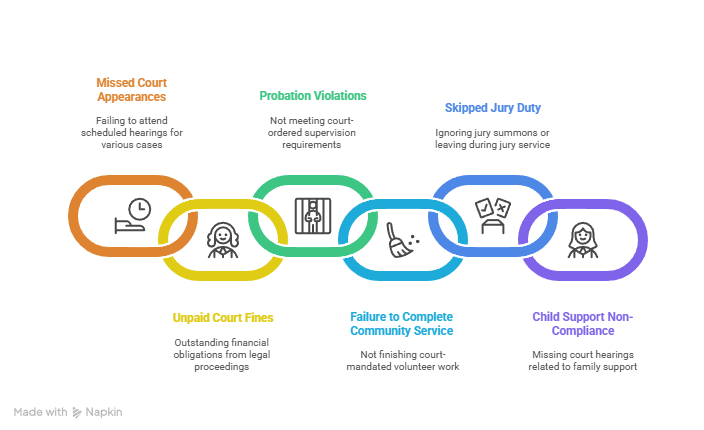
Each situation carries different implications for employment decisions. Traffic-related warrants may have minimal impact on most positions, while criminal case warrants raise more serious concerns about reliability and legal compliance.
Administrative warrants often result from simple oversights or communication failures rather than intentional non-compliance. Court systems frequently experience notification problems, address changes, or scheduling conflicts that contribute to warrant issuance without malicious intent from the individual involved.
Employers must navigate complex legal requirements when bench warrant on background check reports influences hiring decisions. The Fair Credit Reporting Act (FCRA) establishes specific procedures for using background check information in employment choices. These regulations protect job candidates while allowing employers to make informed decisions about workplace safety and legal compliance.
FCRA compliance requires employers to provide proper notices, obtain candidate consent, and follow specific procedures when adverse employment actions result from background check findings. Bench warrant discoveries must be handled according to these established protocols to avoid legal complications and potential discrimination claims.
State and local laws may impose additional restrictions on how employers can use criminal history information in hiring decisions. Some jurisdictions limit consideration of certain types of warrants or require individualized assessments of their relevance to specific positions.
Required FCRA compliance steps:
These procedures protect candidates from unfair treatment while allowing employers to make necessary safety and compliance decisions. Proper documentation of the screening process helps defend against potential legal challenges and demonstrates good faith efforts to comply with applicable laws.
Different states impose varying restrictions on how employers can consider bench warrant on background check information during the hiring process. Some jurisdictions provide broad employer discretion, while others require specific justifications for warrant-related employment decisions.
State law considerations include:
California's Fair Chance Act, New York's Article 23-A, and similar laws in other states require employers to consider factors beyond the mere existence of warrant information. These factors include the nature of the underlying offense, time elapsed since warrant issuance, and evidence of rehabilitation or resolution efforts.
Employment screening processes must evaluate bench warrant on background check findings within the context of specific job requirements and organizational risk tolerance. Risk assessment involves examining the nature of the underlying charge, the time elapsed since warrant issuance, and the relevance to job duties while applying consistent standards across similar positions.
Different position types require varying levels of scrutiny when evaluating warrant findings. Administrative positions may allow more flexibility in warrant consideration, while safety-sensitive roles demand comprehensive evaluation of any outstanding legal obligations.
| Position Type | Warrant Consideration | Decision Factors | Resolution Requirements |
| Administrative | Case-by-case evaluation | Job relevance, timing, severity | Voluntary resolution encouraged |
| Customer Service | Public interaction concerns | Trust, reliability factors | May require active resolution |
| Management | Leadership responsibilities | Integrity, decision-making | Higher standards expected |
Employers should establish clear policies for warrant evaluation that consider position requirements, organizational values, and legal compliance obligations. Market conditions and labor availability also influence how employers evaluate warrant information, with tight labor markets potentially resulting in more flexible warrant consideration.
Certain employment roles carry heightened safety responsibilities that require stricter evaluation of bench warrant on background check findings. These positions involve public safety, vulnerable populations, or high-security environments where outstanding legal obligations could pose significant risks.
Safety-sensitive roles requiring enhanced background checks:
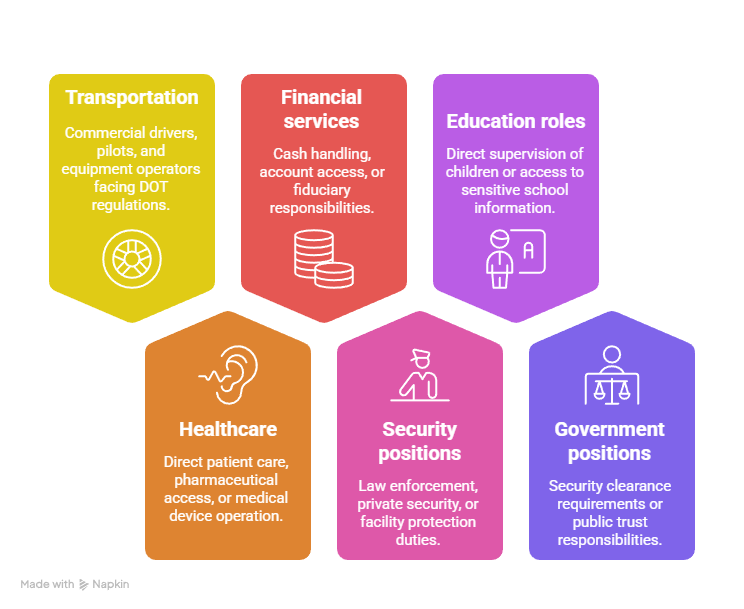
These positions may justify excluding candidates with certain types of outstanding bench warrant on background check results, even for relatively minor underlying charges. The screening process must document the connection between warrant information and job-specific safety requirements to support employment decisions.
Different industries maintain varying standards for bench warrant on background check consideration during employment screening. Regulated sectors like healthcare, finance, and transportation face specific legal requirements that influence how warrant information affects hiring decisions.
Healthcare employers face strict regulatory requirements when hiring staff with access to patients, controlled substances, or sensitive medical information. Outstanding bench warrant on background check results can trigger additional scrutiny from licensing boards and regulatory agencies overseeing healthcare facilities.
Healthcare-specific warrant concerns:
Financial institutions and transportation companies face federal and state regulations requiring comprehensive background checks for employees in safety-sensitive or fiduciary positions. DOT regulations impose strict warrant evaluation standards for transportation workers, while banking agencies require comprehensive employee screening for institutional safety.
Transportation companies face particular challenges with warrant evaluation due to strict DOT safety regulations and public safety responsibilities. Financial institutions must comply with FDIC, OCC, and state banking requirements that influence how warrant information affects employment decisions.
Industry-specific evaluation factors:
Professional licensing requirements add another layer of complexity to warrant evaluation in regulated industries. State boards may suspend or revoke licenses based on outstanding warrants, creating employment complications even after hiring decisions are made.
Job candidates maintain specific rights when bench warrant on background check results influences employment decisions. The Fair Credit Reporting Act provides fundamental protections, including the right to receive copies of background reports, dispute inaccurate information, and understand how warrant findings affect hiring choices.
Candidates can request additional background check information, provide context about warrant circumstances, and present evidence of efforts to resolve outstanding legal obligations. The screening process should accommodate these candidate rights while maintaining employer prerogatives to evaluate legal compliance and workplace safety considerations effectively.
Pre-adverse action procedures include:
This process allows candidates to identify reporting errors, provide context about warrant circumstances, or present evidence of resolution efforts. Employers must complete these steps before making final adverse employment decisions based on background check findings involving warrant information.
Background check procedures must provide candidates reasonable opportunities to explain bench warrant on background check circumstances and present mitigating information. These explanations help employers make informed decisions while ensuring fair consideration of individual situations.
Common candidate explanations for warrant findings:
The employment screening process should evaluate these explanations fairly while maintaining consistent standards across similar positions. Documentation of candidate responses and employer evaluation helps support final hiring decisions and demonstrates good faith consideration of individual circumstances.
Effective employment screening processes require clear policies and consistent procedures for evaluating bench warrant on background check information discovered during candidate evaluation. Best practices help employers make fair, legally compliant decisions while protecting organizational interests and maintaining workplace safety standards.
Successful warrant evaluation programs establish clear criteria for decision-making, provide training for hiring personnel, and maintain detailed documentation of the screening process. Regular policy reviews ensure continued compliance with evolving legal requirements and industry best practices for background check management.
Essential policy components for warrant evaluation:
Well-developed policies ensure consistent treatment of candidates while supporting defensible employment decisions based on background check results. Regular training helps hiring personnel understand and implement these policies effectively throughout the screening process.
Comprehensive documentation supports warrant-related employment decisions and demonstrates compliance with legal requirements during the screening process. Proper record-keeping helps defend against potential discrimination claims and regulatory enforcement actions related to background check practices.
| Documentation Type | Required Elements | Retention Period | Legal Purpose |
| Background Reports | Complete warrant details and search results | 7 years minimum | FCRA compliance evidence |
| Evaluation Records | Decision criteria and assessment factors | 3 years minimum | Consistent policy application |
| Candidate Communications | All warrant-related correspondence | 5 years minimum | Due process documentation |
Record retention policies should comply with applicable legal requirements while supporting potential future litigation defense needs. Training programs should educate personnel on proper documentation standards and record-keeping requirements for warrant-related employment decisions.
Understanding how bench warrant on background check findings affect various employment situations helps both employers and job seekers navigate the hiring process effectively. Different scenarios require different approaches to warrant evaluation, from entry-level positions to executive roles.
The employment screening process varies significantly based on position level, industry requirements, and organizational risk tolerance. Entry-level positions may have more lenient standards for minor warrant issues, while senior roles require more comprehensive evaluation of any legal complications.
Executive positions require enhanced scrutiny of bench warrant on background check results due to leadership responsibilities, fiduciary duties, and organizational reputation considerations. Executive roles typically involve comprehensive background checks that examine all aspects of legal history.
Executive screening considerations include:
The background check process for executive positions typically includes extended warrant searches, enhanced verification procedures, and ongoing monitoring for new legal developments during employment tenure.
Temporary positions and contract work may have different standards for evaluating bench warrant on background check findings compared to permanent employment opportunities. Some organizations accept higher risk levels for short-term arrangements while maintaining comprehensive screening for long-term commitments.
Factors affecting temporary employment decisions:
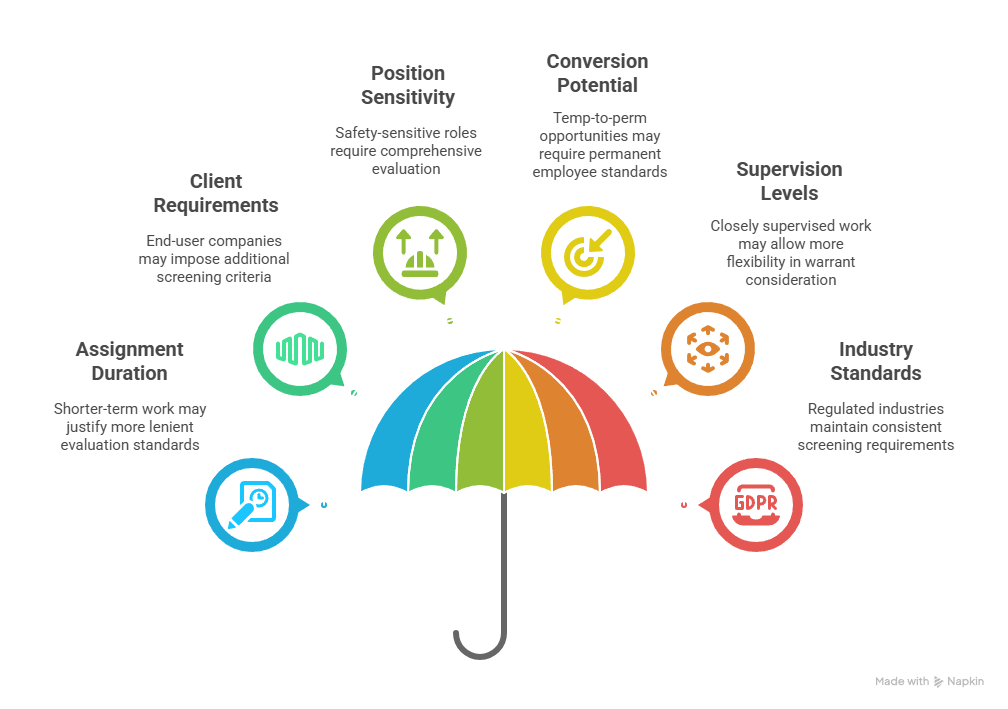
Background check procedures for temporary employment should clearly communicate screening standards and potential conversion requirements to ensure candidate understanding and compliance with varying organizational policies.
Job seekers discovering bench warrant on background check results should take immediate action to resolve outstanding legal obligations before they impact employment opportunities. Most warrants can be addressed through proper legal channels, and many employers view active resolution efforts favorably during the hiring process.
Different types of warrants require different resolution approaches, from simple fine payments to court appearances with legal representation for more serious underlying charges. The screening process often reveals warrant information that candidates were unaware of, particularly for older traffic violations or administrative matters.
Complex warrant situations benefit from legal representation to ensure proper resolution and minimize employment impact. Attorneys specializing in criminal law or traffic violations can navigate court procedures, negotiate resolution terms, and ensure compliance with all legal requirements affecting warrant status.
Benefits of legal representation for warrant resolution:
Employment candidates should seek legal consultation promptly upon discovering warrant issues to minimize potential impact on job opportunities and ensure proper resolution procedures.
Candidates should maintain comprehensive documentation of warrant resolution efforts to present to potential employers during the background check process. This documentation demonstrates responsibility, proactive behavior, and commitment to legal compliance that may positively influence hiring decisions.
Essential resolution documentation includes:
This documentation should be organized chronologically and made available to potential employers upon request during the screening process. Digital copies should be maintained for easy sharing during employment applications and background check discussions.
Understanding how bench warrant on background check results affect employment decisions requires knowledge of legal requirements, industry standards, and organizational policies governing hiring practices. Employers must balance candidate rights with workplace safety and legal compliance obligations while maintaining consistent, fair evaluation procedures for all applicants. Job seekers benefit from understanding the screening process, their legal rights, and effective strategies for addressing outstanding legal obligations discovered during employment background checks. Success in managing warrant-related employment issues requires proactive resolution of outstanding legal obligations, clear communication about circumstances, and demonstrated commitment to legal compliance.
A bench warrant on background check results does not automatically disqualify candidates from employment, as the impact depends on the underlying charge, position requirements, and employer policies. Many employers conduct individualized assessments during the screening process, considering factors like warrant age, severity, and relevance to job duties before making hiring decisions based on background check findings.
Bench warrants on background check reports typically remain visible indefinitely until resolved through the court system, as they represent active legal obligations rather than historical events. The employment impact may decrease over time for minor warrants, but employers can legally consider outstanding warrants regardless of age during their screening process and hiring evaluations.
Employment with bench warrant on background check findings is possible, depending on the employer's policies, position requirements, and warrant circumstances. Many employers focus on warrant relevance to job duties during their screening process, allowing employment for administrative positions while restricting safety-sensitive roles with outstanding legal obligations requiring resolution.
Federal law requires employers to provide pre-adverse action notice when background check information, including bench warrant findings, may result in employment denial. This process includes providing the background check report, allowing response time, and sending formal adverse action notices if employment is denied based on screening results showing outstanding warrants.
Candidates discovering incorrect bench warrant on background check information should immediately contact the background screening company to dispute inaccurate findings while simultaneously verifying court records directly. The dispute process includes providing documentation of warrant resolution or evidence of mistaken identity, and employers must consider updated information before making final hiring decisions.
Employers can generally ask about outstanding warrants and pending legal matters during the application process, though some states restrict initial criminal history inquiries through ban-the-box legislation. However, most employers discover bench warrant information through background check procedures rather than direct questioning, as candidates may not be aware of outstanding warrants.

Meet the GCheck Editorial Team, your trusted source for insightful and up-to-date information in the world of employment background checks. Committed to delivering the latest trends, best practices, and industry insights, our team is dedicated to keeping you informed.
With a passion for ensuring accuracy, compliance, and efficiency in background screening, we are your go-to experts in the field. Stay tuned for our comprehensive articles, guides, and analysis, designed to empower businesses and individuals with the knowledge they need to make informed decisions.
At GCheck, we're here to guide you through the complexities of background checks, every step of the way.

Contact us today for efficient, FCRA-compliant screening solutions
designed to keep your hiring process moving safely and smoothly.



LEGAL DISCLAIMER: The information provided in this article is for general informational and educational purposes only and should not be construed as legal advice or a substitute for consultation with qualified legal counsel. While we strive to ensure accuracy, employment screening laws and regulations—including but not limited to the Fair Credit Reporting Act (FCRA), Equal Employment Opportunity Commission (EEOC) guidelines, state and local ban-the-box laws, industry-specific requirements, and other applicable federal, state, and local statutes—are subject to frequent changes, varying interpretations, and jurisdiction-specific applications that may affect their implementation in your organization. Employers and screening decision-makers are solely responsible for ensuring their background check policies, procedures, and practices comply with all applicable laws and regulations relevant to their specific industry, location, and circumstances. We strongly recommend consulting with qualified employment law attorneys and compliance professionals before making hiring, tenant screening, or other decisions based on background check information.