


Curious about how far back a background check goes? You’re not alone. Whether you’re an employer, HR professional, recruiter, or job seeker, understanding the historical scope of background checks is crucial. Different industries—from healthcare to transportation—require this information to make informed decisions. This guide will explore everything you need to know about the duration and coverage of background checks.
Key Takeaways
- Background checks typically range from seven to ten years, depending on the type and industry.
- Industries like healthcare and finance may require longer look-back periods for thorough vetting.
- State and country regulations impact how far back background checks can go, with varying limits.
- Federal laws such as the FCRA and EEOC guidelines ensure compliance and non-discrimination in background checks.
- Employers should weigh the relevance of background check findings based on elapsed time and evidence of rehabilitation.
Introduction
Background checks have never been more pivotal in today's employment landscape. With businesses striving to ensure safe and productive workplaces, the demand for thorough vetting processes is higher than ever. So, what exactly is a background check? Essentially, it’s a review of various records, including criminal, employment, and educational, to verify a person's suitability for a job.
Understanding how far back these checks go is crucial, as it can significantly impact hiring decisions. This article will delve into the duration and scope of different types of background checks, shedding light on the key factors that determine their reach. Ready to uncover the layers? Let’s get started.

What Influences the Duration of a Background Check?
When figuring out how deep a background check will take into your past, several key factors come into play. Whether you’re curious about your own history or assessing a potential hire, understanding these elements can shed light on the process.
Type of Check Conducted
Not all background checks are created equal. Some zoom in on different areas of a candidate's life, each with its timeframe.
- Criminal Checks: These checks usually go back seven years, but severe crimes might be on the radar for a lifetime.
- Employment History: Generally spans the last seven to ten years, sometimes longer for high-level roles.
- Education Verification: Often unlimited, but the focus is typically on the highest degree earned.
- Credit History: Generally covers the last seven years, although this can vary by state and job role.
When we conduct background check activities, our primary focus is on ensuring wellness and safety. We aim to protect our organization and our employees from potential harm, mitigate the risk of losses, and uphold a secure and trustworthy work environment. Furthermore, these checks help maintain our organization's reputation and foster a culture of accountability. However, there's the challenge of balancing this with giving candidates a second chance to break free from past negative behaviors and start afresh. What steps should you take? This article will guide you in making informed decisions by considering the time elapsed since any negative behavior occurred.
Industry-Specific Requirements
Background check durations can vary significantly depending on the industry. Let’s break down how different fields approach these checks:
- Staffing Agencies: Generally, they stick to a seven-year look-back period. However, this can extend to a decade or more for higher-level positions or those involving sensitive information. The flexibility allows agencies to tailor the checks according to the specific job demands.
- Healthcare: In this sector, the stakes involve patient care and safety. As such, background checks can delve deep into an applicant's history, sometimes several decades. This extensive scrutiny ensures practitioners have a clean record, free from serious licensure or malpractice issues.
- Transportation: For industries like trucking and aviation, the norm is a comprehensive check spanning up to ten years. This requirement helps maintain stringent safety and reliability standards crucial for operations that deal with significant public risk.
- Tenant Screening: Landlords and property managers generally review the past seven years of an applicant’s background. However, this can extend if the property owner has a specific set of criteria or if local laws permit a longer review period.
- Non-Profit: These organizations often work with vulnerable populations and, therefore, might look back seven to ten years or longer, depending on the role’s sensitivity. The goal is to ensure the organization's highest level of trust and safety.
- Retail: A typical background check covers the last seven years for positions involving cash handling and customer interactions. Retailers examine relevant employment history to mitigate risks related to theft and fraud.
- Technology: Here, background check durations can range from five to ten years, primarily for security-sensitive roles. Given the rapid advancements and the sensitive nature of data, companies aim for a balance between thorough vetting and relevancy.
- Hospitality: Standard checks in this industry date back seven years and focus on trust and customer service attributes. However, the scope may broaden for high-level positions, ensuring management personnel have a clean and competent track record.
Understanding these industry-specific benchmarks helps employers and job seekers prepare adequately—ensuring compliance and fostering a secure work environment.
Geographic Location
Location, location, location—this applies to more than just real estate.
- State Laws: Some states cap criminal background checks at seven years, while others have no official limit.
- Country Regulations: International roles may be subject to the rules of multiple jurisdictions, affecting the scope and duration of checks.
In short, the length of your background check isn't one-size-fits-all. It’s a blend of what kind of check it is, where you're working, and the industry's specific standards and legal requirements. Knowing these factors can help you better navigate or prepare for a background check, making the process more straightforward.
Legal and Regulatory Considerations
Federal Laws
Understanding federal laws is crucial for ensuring your background check processes are compliant and effective. Two key federal regulations govern the scope and execution of background checks:
- Fair Credit Reporting Act (FCRA) stipulates how consumer information, including background checks, should be handled. It limits reporting certain negative information to seven years, such as civil suits or paid tax liens. However, there are exceptions—bankruptcies can be reported for up to ten years. The FCRA also outlines specific procedures that must be followed if adverse action is taken based on the contents of a background report. Employers must notify candidates and provide them with a copy of the report and their rights under the FCRA. For more detailed guidelines, visit the Federal Trade Commission (FTC) website.
- Equal Employment Opportunity Commission (EEOC): Ensuring non-discrimination, the EEOC provides guidance on how to use background checks fairly. It advises employers to consider the nature of the crime, the time elapsed, and its relevance to the job. Ignoring these guidelines can lead to claims of discrimination based on race, color, national origin, sex, or religion. For comprehensive guidance, check out the EEOC's resources.
State Laws
State regulations add another layer of complexity. Here’s what you need to know:
- State-Specific Regulations: Various states impose their own limitations on how far back a background check can go. For instance, California and New York restrict the reporting of criminal histories to seven years. Other states like Texas and Florida may have different guidelines, especially for specific types of employment.
- Ban-the-Box Laws: These laws seek to remove barriers for individuals with criminal records by prohibiting certain inquiries into criminal history early in the hiring process. They typically require employers to delay these questions until a later stage, such as after an initial interview. This aims to reduce discrimination and offer a fair chance to all candidates.
Industry Regulations
Beyond federal and state regulations, certain industries have their own unique requirements:
- Department of Transportation (DOT): The DOT mandates background checks for truck drivers and aviation personnel that can go back up to ten years. This ensures rigorous scrutiny for roles critical to public safety.
- The Public Record Search Association (PBSA): Serving as a professional body, PBSA offers standards and certifications to ensure high-quality, compliant background checks. They help establish best practices and provide resources for staying current with evolving regulations.
Navigating the maze of legal and regulatory requirements is challenging but essential. Staying informed and following best practices can save employers from costly legal repercussions and promote a fairer hiring process. For further assistance, explore resources from the Public Record Search Association.
How to Interpret Background Check Results
When you receive the results of a background check, the most challenging part can be making sense of the information you've got in front of you. Understanding the nuances of the data can be pivotal in making balanced and fair decisions. It's essential to evaluate the context and relevance of each piece of information in relation to the role in question. Some records may date back several years, but their impact on the applicant's current suitability could vary. Additionally, different states have distinct regulations on how far back background checks can go, making it crucial to align your interpretation with these legal constraints. A thorough and fair assessment not only protects the company's interests but also upholds the principles of justice and fairness for the candidate.
Timeframes and Context
Start by considering the timeframe of the incidents. A decade-old misdemeanor might not carry the same weight as a recent one, especially if the applicant has shown steady employment and good behavior since then. Essentially, the relevance of findings often diminishes with time, particularly if subsequent behavior indicates rehabilitation.
Rehabilitation and Recency
Next, factor in the concept of rehabilitation. Has the individual shown improvement or engaged in community service, further education, or steady employment since the time of the offense? Look at how recent the issues are and if the candidate has taken steps to rectify or atone for past mistakes. Younger individuals with older offenses may have matured and distanced themselves from past behaviors, giving you a more reliable picture of their current character.
In summary, interpreting background check results is all about balancing the age of the information with an understanding of personal growth and the context in which these events occurred.
Tips for Employers and HR Professionals
Best Practices for Conducting Background Checks
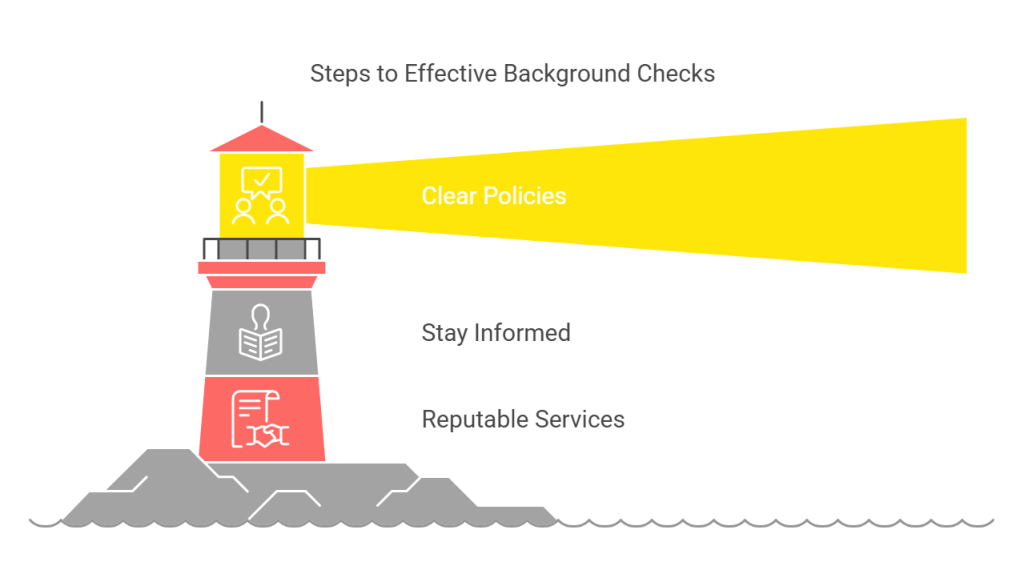
- Establish Clear Policies: Draft a comprehensive background check policy that includes the types of checks you’ll conduct and the circumstances under which each is warranted. Clear guidelines help ensure consistency and fairness across all hiring processes.
- Stay Up-to-Date with Relevant Laws and Regulations: Laws surrounding background checks can change frequently. Stay informed about federal, state, and local regulations to ensure your practices are compliant. This includes understanding the nuances of the Fair Credit Reporting Act (FCRA) and any industry-specific guidelines.
- Use Reputable Background Check Services: Opt for accredited background check providers who have a proven track record of accuracy and compliance. Reliable vendors should be familiar with the latest legal requirements and offer comprehensive reports that cover all necessary aspects.
Mitigating Risks
- How to Handle Ambiguous Findings and Inconsistencies: Not all discrepancies should be treated equally. Establish a protocol for investigating unclear or conflicting information. Consider the relevance of each finding to the job role and consult with legal advisors if necessary.
- Adverse Action Procedures and Compliance: If you decide not to hire based on a background check, follow the required adverse action steps. This usually includes providing the candidate with a copy of the report, a summary of their rights under the FCRA, and an opportunity to dispute the findings. Proper adherence to these steps minimizes legal risks and promotes transparency and fairness in your hiring process.
Frequently Asked Questions (FAQ)
How far back do criminal background checks go?
Criminal background checks typically go back seven years, but the duration can vary depending on state laws, the type of crime, and the industry requirements. For high-level security positions or in states with no time restrictions, checks may delve deeper, possibly covering up to a lifetime of records.
Are there roles that require more extended background checks?
Yes, certain roles necessitate more extensive background checks. Healthcare positions, critical transportation roles (like aviation and trucking), and certain government jobs often require comprehensive checks reaching back ten years or more.
Can I run a background check on myself?
Absolutely. Running a self-background check can help you identify any errors or discrepancies ahead of time. Many online services offer personal background checks, providing you with peace of mind and the opportunity to address any issues before they arise during an employment screening.
What if the background check report contains errors?
If you discover errors in your background check report, you have the right to dispute them. Contact the background check company and provide evidence to correct inaccuracies. Under the Fair Credit Reporting Act (FCRA), you’re entitled to a free copy of your report and the ability to file a dispute to ensure your record is accurate.
Conclusion
So, how far back do background checks go? As we’ve seen, the answer depends on various factors including the type of check, industry standards, geographical location, and legal regulations. Criminal history checks typically go back seven years but can extend further under certain circumstances. Employment and education verifications generally cover the past seven to ten years, with some variations depending on the job’s requirements.
Understanding these nuances helps you make informed decisions—whether you’re hiring, ensuring compliance, or simply managing your career. Staying updated on relevant laws and adopting best practices not only mitigates risks but also promotes a fair and safe workplace.
Remember, knowledge is power. By staying informed and adhering to best practices, we can all contribute to a more transparent and equitable hiring process. For more detailed guidelines, be sure to check out resources from the FTC and the DOL.
Absolutely, creating a cohesive set of ultra-realistic photos requires careful consideration of thematic consistency, lighting, and composition. Here's a detailed guide on how each photo can be executed while maintaining a consistent visual style:

ABOUT THE CREATOR
GCheck Editorial Team
Meet the GCheck Editorial Team, your trusted source for insightful and up-to-date information in the world of employment background checks. Committed to delivering the latest trends, best practices, and industry insights, our team is dedicated to keeping you informed.
With a passion for ensuring accuracy, compliance, and efficiency in background screening, we are your go-to experts in the field. Stay tuned for our comprehensive articles, guides, and analysis, designed to empower businesses and individuals with the knowledge they need to make informed decisions.
At GCheck, we're here to guide you through the complexities of background checks, every step of the way.