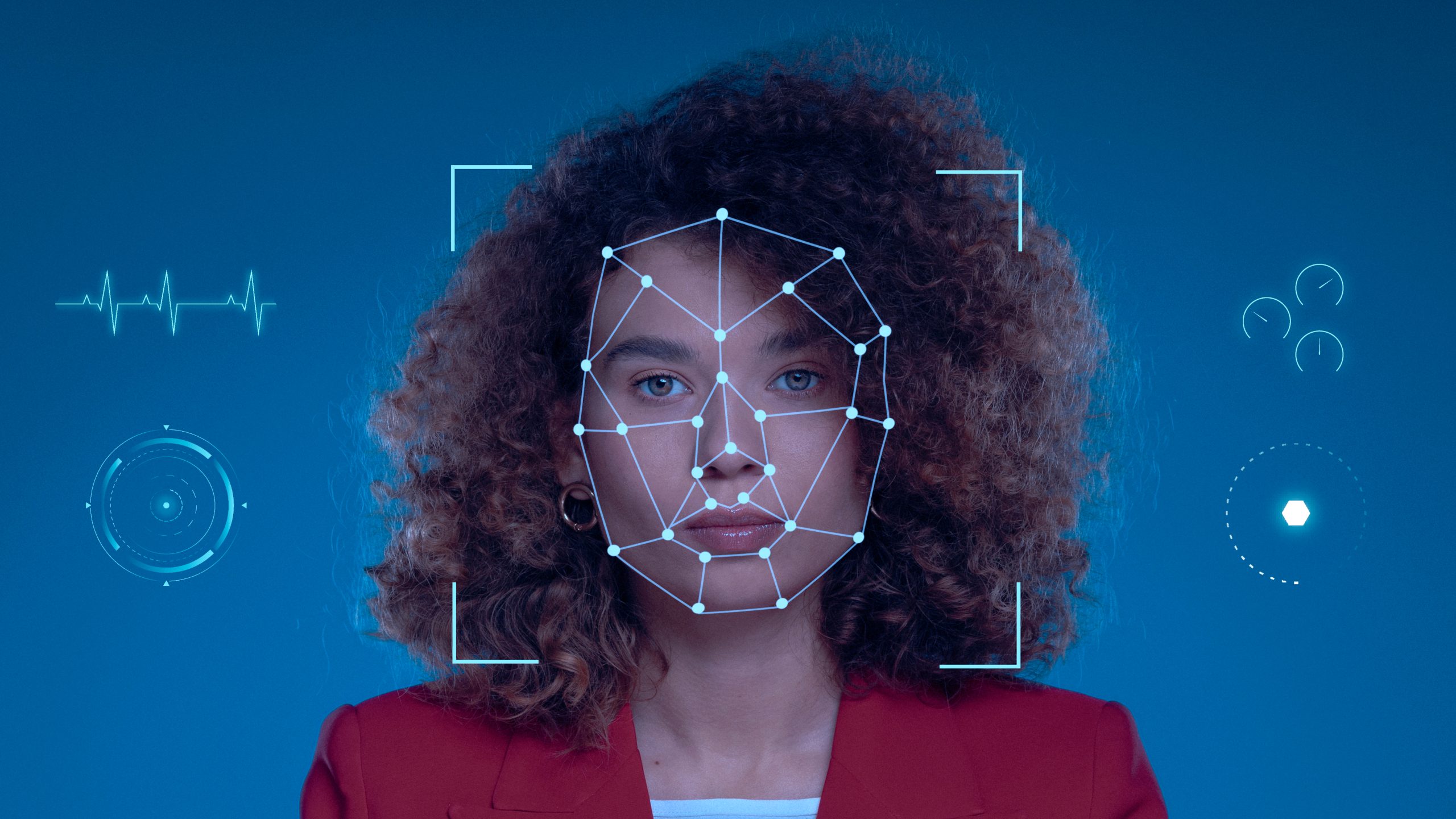
Identity Verification: Comprehensive Authentication for Secure Employment Screening
Multi-layered identity confirmation that validates candidate authenticity through document verification, biometric matching, and database cross-referencing
Identity verification provides comprehensive authentication of candidate identity through multi-layered validation processes including government-issued document examination, biometric verification, address confirmation, and cross-referencing across multiple databases to ensure candidates are who they claim to be. With identity fraud and synthetic identity schemes affecting millions of Americans and costing employers billions in fraud losses annually, robust identity verification protects organizations from hiring individuals using false identities while ensuring legitimate candidates can demonstrate their authenticity efficiently.
GCheck’s Compliance for Good™ platform delivers sophisticated identity verification that combines advanced technology with human expertise to provide confident identity assurance within hours while maintaining privacy-compliant, respectful processes that accommodate diverse documentation and verification needs. This is identity authentication that builds trust through transparency—protecting organizational security while preserving candidate dignity throughout comprehensive verification procedures.
FAQ
Common Concerns Answered
What components are included in comprehensive identity verification?
Comprehensive identity verification includes government-issued document authentication using advanced security feature detection, biometric verification through facial recognition or fingerprint matching when available, address verification through postal and utility databases, phone number validation and ownership confirmation, Social Security Number verification and cross-referencing, credit header information validation, public record searches for identity consistency, and multi-database cross-referencing to identify potential identity discrepancies or fraud patterns across different information sources.
How does document authentication work in identity verification?
Document authentication examines government-issued identification including driver’s licenses, state ID cards, passports, and other official documents using advanced verification technology that detects security features, identifies tampering or alteration attempts, confirms document authenticity through issuing agency databases when possible, and validates that document information matches candidate-provided details. Authentication processes also include examination of document expiration dates, proper formatting and appearance, and consistency with known security features for specific document types and issuing jurisdictions.
What is biometric verification and when is it used?
Biometric verification uses unique physical characteristics including facial recognition, fingerprint matching, or voice recognition to confirm that candidates are the actual persons represented in their identification documents. Biometric verification is particularly valuable for remote identity verification, high-security positions requiring additional authentication assurance, situations where document fraud is suspected, and industries with heightened identity verification requirements such as financial services or government contracting. Biometric verification must comply with privacy laws and candidate consent requirements.
How long does comprehensive identity verification take?
Identity verification timelines vary based on verification complexity and authentication methods used, typically ranging from 30 minutes for basic document and database verification to several hours for comprehensive verification including biometric matching and extensive database cross-referencing. Real-time verification of some components provides immediate feedback, while comprehensive verification that includes manual document review, biometric processing, or multiple database queries may require 2-4 hours for complete authentication and reporting.
What happens if identity verification reveals discrepancies?
When identity verification identifies discrepancies, candidates should be provided opportunity to explain mismatches and submit additional documentation to resolve identity questions. Legitimate explanations include recent name changes due to marriage or legal proceedings, address changes that haven’t updated across all databases, data entry errors in application materials, or database inaccuracies that require correction through appropriate agencies. Significant identity discrepancies that cannot be reasonably explained may indicate fraud attempts requiring careful evaluation and potential disqualification.
Are there special considerations for international candidates?
International candidates present unique identity verification challenges including unfamiliar document types and security features, varying authentication standards across different countries, language barriers requiring translation services, limited database access for verification of foreign documents, and cultural differences in identification systems and naming conventions. Professional identity verification providers should have expertise in international document authentication, relationships with foreign verification services, and understanding of immigration documentation requirements for different visa and work authorization categories.
Why Organizations Choose GCheck for Identity Verification
Organizations trust GCheck’s identity verification for comprehensive authentication capabilities, advanced technology integration, and expertise handling diverse verification scenarios while maintaining privacy-compliant, respectful verification processes.
Our Compliance for Good™ approach ensures thorough identity authentication that protects organizational security while accommodating legitimate verification needs across diverse candidate populations.
Multi-layered Authentication
Document verification, biometric matching, and database cross-referencing
Advanced Technology
Sophisticated document authentication and biometric verification capabilities
International Expertise
Specialized knowledge of foreign documents and international verification requirements
Privacy Compliance
FCRA-aligned procedures that protect candidate information throughout verification processes
Rapid Processing
Automated verification with real-time feedback and comprehensive reporting capabilities
Fraud Detection
Advanced pattern recognition and database analysis to identify potential identity fraud
Flexible Verification
Multiple authentication options to accommodate different verification needs and security requirements
Fundamentals
Technology and Authentication Methods
Modern identity verification relies on sophisticated technology including optical character recognition for document data extraction, machine learning algorithms for fraud pattern detection, biometric matching systems for physical authentication, and database integration platforms that cross-reference information across multiple sources. Understanding available technology options and their appropriate applications helps organizations select identity verification solutions that provide adequate security assurance while maintaining efficient candidate experiences.
Fraud Detection and Prevention
Identity verification serves as critical fraud prevention by identifying synthetic identities, stolen identity usage, document tampering, and other fraud schemes that could expose organizations to liability or security risks. Effective fraud detection requires understanding of common fraud patterns, synthetic identity creation techniques, and identity theft indicators while maintaining appropriate sensitivity to avoid discriminatory practices against legitimate candidates with unusual documentation or verification characteristics.
Compliance and Privacy Considerations
Identity verification must balance comprehensive authentication requirements with privacy protection obligations including FCRA compliance for employment screening, state and federal privacy laws governing biometric information collection and usage, international privacy regulations for global candidate populations, and candidate consent requirements for various verification methods. Organizations should ensure their identity verification processes provide adequate security assurance while respecting candidate privacy rights and legal protections.
With the rise of falsified credentials and the increasing complexities of the global job market, understanding the nuances of background checks is essential for any organization aiming for excellence.
Ready to implement comprehensive Identity Verification?
GCheck's Compliance for Good™ platform delivers sophisticated identity verification with advanced technology and expert authentication capabilities. Contact our identity verification specialists today to learn how comprehensive identity authentication can protect your organization from fraud while providing efficient, dignified verification experiences for legitimate candidates.