

LEGAL & COMPLIANCE

Understanding background check laws in New York. Learn about consent requirements, Fair Chance Act, and ensuring compliance for employers.
Created by

Reviewed by

New York has specific laws governing background checks. Employers must comply with these laws to avoid legal issues. One of the most crucial requirements is obtaining written consent from candidates before conducting any background check. This consent must be clear and separate from the application form.
Due to New York’s position as a major business hub with a highly diverse workforce, these regulations emphasize individualized assessments and protections against discrimination based on criminal history. For example, New York’s Fair Chance Act requires employers to wait until after a conditional job offer is made before conducting a criminal background check. Compliance with these laws not only ensures legal protection but also aligns with the city’s commitment to fair and equitable hiring practices, setting a standard for businesses.
New York, New York! Can you hear the rhythm? People from across the globe flock to the Big Apple, drawn by its endless opportunities. This melting pot of diversity makes it essential for New York to uphold fair and equitable hiring processes, including comprehensive background checks. These measures ensure a balanced and inclusive workforce that reflects the city’s dynamic spirit. Dive into this article to gain a deeper understanding of how these processes work and why they are so crucial. �
Employers must also provide copies of the background check report to the candidates if any adverse action is considered. The Fair Chance Act, a significant piece of legislation, restricts the use of criminal history in hiring decisions. Under this act, employers cannot inquire about a candidate’s criminal record until after a conditional job offer is made. Suppose the employer decides to rescind the offer based on the criminal record. In that case, they must follow specific procedures, including providing a written explanation and allowing the candidate to respond.
Background checks encompass various types depending on the employer’s needs. Each type offers different insights into a candidate’s history and suitability for a position.
Criminal Background Checks: These checks reveal criminal history, including convictions, arrests, and incarcerations. They help employers assess if a candidate poses any risk.
Employment Verification: This check confirms a candidate’s employment history, including job titles, dates of employment, and reasons for leaving. It ensures the accuracy of the information provided by the candidate.
Education Verification: This type verifies the educational qualifications claimed by the candidate, including degrees, certificates, and the institutions attended. It’s crucial for positions requiring specific academic credentials.
Credit Checks: These checks review a candidate’s credit history, which can be relevant for roles involving financial responsibilities. They provide insights into the candidate’s financial stability and trustworthiness.
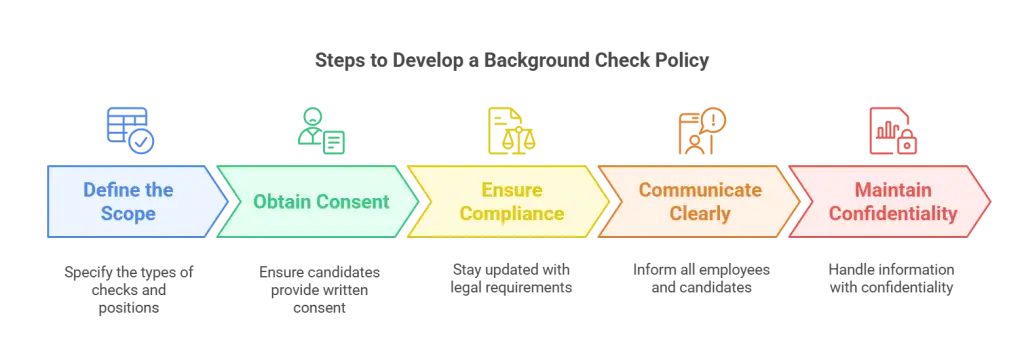
A well-defined background check policy is essential for consistency and transparency. Start by outlining the types of checks you will perform and the circumstances under which they will be used. Ensure your policy complies with New York’s legal requirements and is communicated clearly to all employees and candidates.
Here are steps to develop an effective policy:
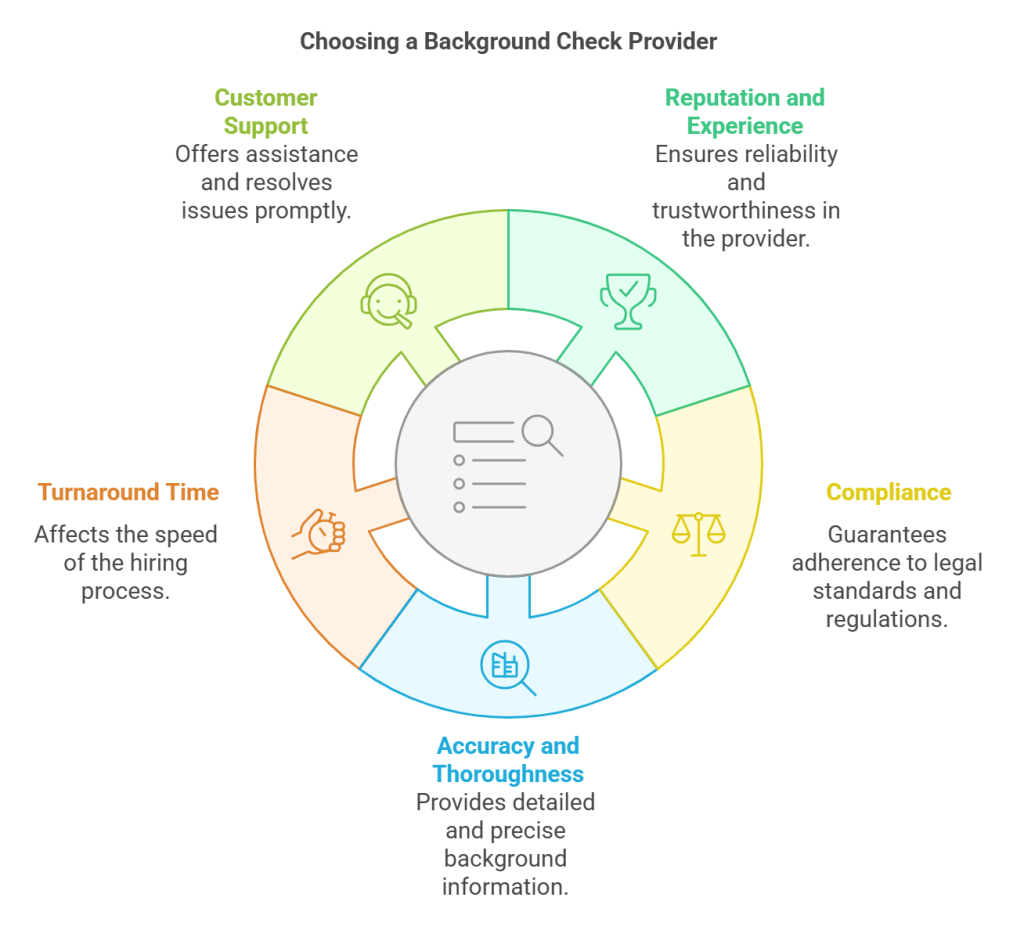
Choosing the right background check service is critical. Look for providers with a good reputation and experience in New York. Compare features, costs, and turnaround times to find the best fit for your needs. Reliable services can help ensure thorough and accurate checks.
Consider the following criteria when selecting a service provider:
Finding negative information during a background check can be challenging. It’s important to handle such situations fairly and consistently. Consider the nature of the information, its relevance to the job, and the candidate’s explanation. Always follow legal guidelines when making decisions based on adverse information.
Here are the best practices for handling adverse information:
Background check laws can change frequently. HR professionals must stay informed about new regulations and updates. Regular training, subscribing to relevant legal resources and attending HR conferences can help. Keeping your background check policies and practices up to date ensures compliance and minimizes legal risks.
Consider the following tips to stay updated:
New York requires employers to obtain consent before conducting a background check. They must also provide copies of the reports to candidates and adhere to the Fair Chance Act, which restricts the use of criminal history in hiring decisions.
The Fair Chance Act limits how employers can use criminal history when hiring. Employers cannot ask about criminal history until a conditional offer is made. If they withdraw the offer, they must also follow specific procedures based on this information.
Common types include criminal background checks, employment verification, education verification, and credit checks. Each type provides different insights into a candidate’s history and suitability.
HR can ensure compliance by staying informed about current laws and regulations. Developing clear, consistent policies and providing regular staff training can also help. Working with reputable background check service providers who understand New York’s legal requirements is essential.
A background check policy should outline the types of checks performed, when they will be conducted, and how the information will be used. It should also include procedures for obtaining consent, handling adverse information, and ensuring compliance with legal requirements.
Meet the GCheck Editorial Team, your trusted source for insightful and up-to-date information in the world of employment background checks. Committed to delivering the latest trends, best practices, and industry insights, our team is dedicated to keeping you informed.
With a passion for ensuring accuracy, compliance, and efficiency in background screening, we are your go-to experts in the field. Stay tuned for our comprehensive articles, guides, and analysis, designed to empower businesses and individuals with the knowledge they need to make informed decisions.
At GCheck, we're here to guide you through the complexities of background checks, every step of the way.

Contact us today for efficient, FCRA-compliant screening solutions
designed to keep your hiring process moving safely and smoothly.



LEGAL DISCLAIMER: The information provided in this article is for general informational and educational purposes only and should not be construed as legal advice or a substitute for consultation with qualified legal counsel. While we strive to ensure accuracy, employment screening laws and regulations—including but not limited to the Fair Credit Reporting Act (FCRA), Equal Employment Opportunity Commission (EEOC) guidelines, state and local ban-the-box laws, industry-specific requirements, and other applicable federal, state, and local statutes—are subject to frequent changes, varying interpretations, and jurisdiction-specific applications that may affect their implementation in your organization. Employers and screening decision-makers are solely responsible for ensuring their background check policies, procedures, and practices comply with all applicable laws and regulations relevant to their specific industry, location, and circumstances. We strongly recommend consulting with qualified employment law attorneys and compliance professionals before making hiring, tenant screening, or other decisions based on background check information.